

 205-419-1605


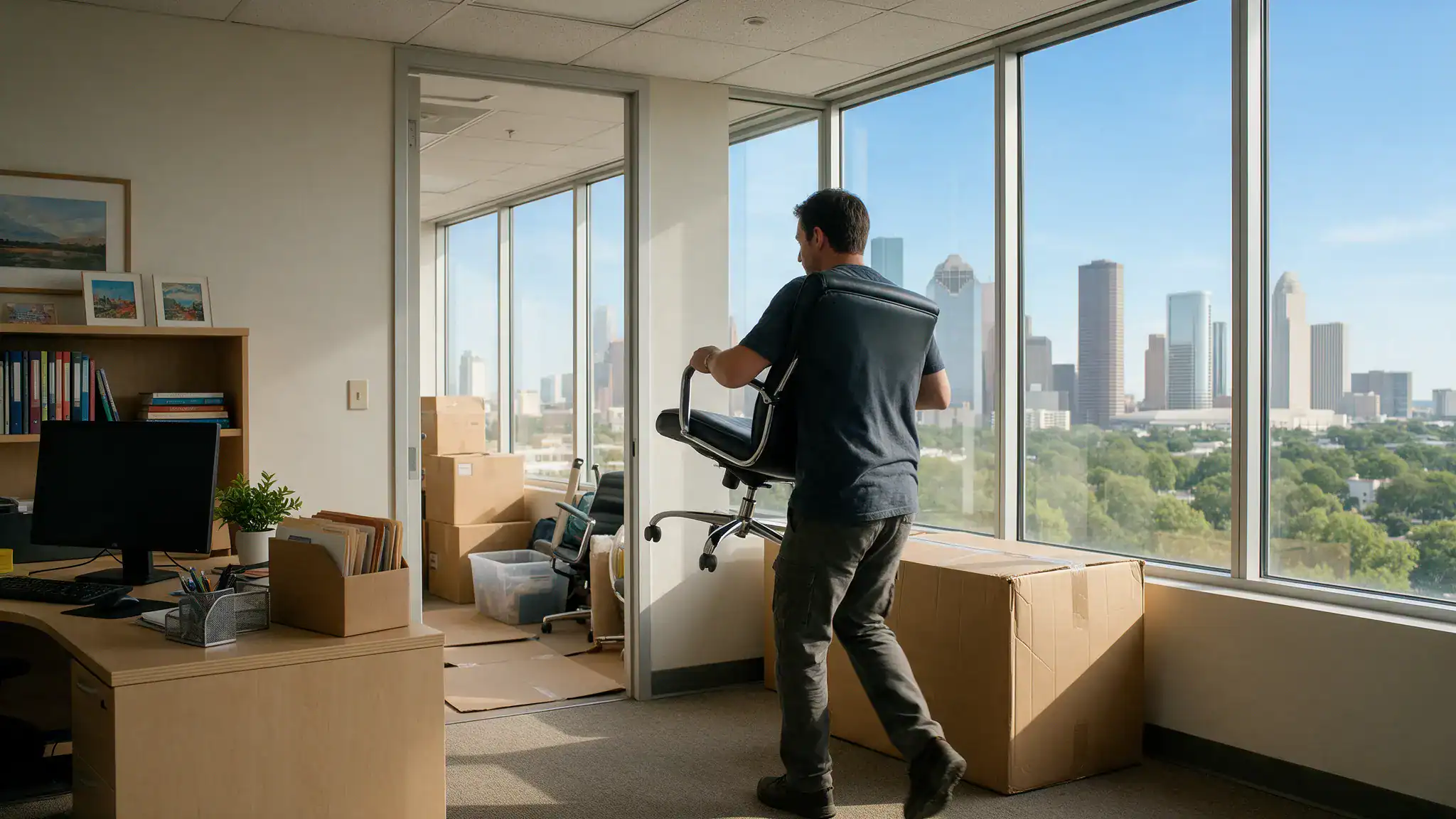
White glove moving service is a premium moving service that pairs custom protection, specialized handling, and full placement for fragile and high-value items. It covers the pieces a standard move treats as ordinary cargo: antiques, pianos, fine art, chandeliers, marble and stone furniture, and designer pieces that cannot absorb a bump or a scratch. The crew pads, wraps, and crates each item to its shape, transports it under blanket protection, and sets it in the exact spot the owner chooses at the destination. Birmingham Moving Company offers white glove service across the Over-the-Mountain area, where older homes in Mountain Brook and higher-value households in Vestavia Hills and Greystone often hold pieces that warrant this level of care. This guide explains what the service consists of, which items call for it, how it differs from standard full-service moving, and how it is priced.
White Glove Service Is Premium Handling From Pack to Placement
White glove service handles an item end to end, from the moment the crew wraps it to the moment it stands in its final position. The crew does not stop at the door or leave boxes stacked in a room. Standard full-service moving loads, transports, and unloads. White glove service adds a layer of protection and finish on top of that: item-specific wrapping and crating before the move, controlled handling in transit, and full unpacking, reassembly, and placement after. The service exists because certain items lose their value the instant they are chipped, torn, or knocked out of alignment, and a general packing method does not protect them.
What White Glove Service Consists Of
White glove service consists of custom crating, blanket-wrapped transport, disassembly and reassembly, and final placement. Each step is matched to the item rather than applied as a single standard method. Together they remove the handling risk that a normal move carries for delicate goods.
Custom Crating
Custom crating builds a wooden enclosure around an item to fit its exact dimensions. The crew measures the piece, constructs a crate sized to it, and lines the interior with foam or padding so the item cannot shift. Custom crating protects flat and fragile items that a box cannot hold safely, including framed art, mirrors, glass tabletops, and stone or marble surfaces. A crate carries the load through walls, corners, and truck movement that would otherwise reach the item.
Blanket-Wrapped Transport
Blanket-wrapped transport pads an item on every side with moving blankets, then secures it so it stays fixed for the length of the trip. The crew wraps furniture, cases, and instruments in blankets, adds stretch wrap over the blankets to hold them, and braces the item against a truck wall or within a dedicated section of the load. This method prevents surface scratches, corner damage, and the slow abrasion that comes from an item rubbing against the truck floor over many miles.
Disassembly and Reassembly
Disassembly and reassembly break a large piece into transportable parts and rebuild it at the destination. The crew removes legs, glass, shelves, and hardware, wraps and labels each part, and reverses the process on arrival. This step applies to dining tables, bed frames, large cabinets, and modular pieces that move more safely in sections than whole.
Placement and Setup
Placement and setup put each item in its final position and ready it for use. The crew carries the piece to the room the owner names, positions it, levels it, and reattaches any parts removed for transport. Placement is the difference between a delivered item and an installed one. The owner does not lift, adjust, or assemble anything after the crew leaves.
Items That Call for White Glove Handling
White glove handling applies to any item that is fragile, heavy and irregular, or high in value. These are the pieces where the cost of damage far exceeds the cost of extra care. A single scratch on a lacquered surface or a hairline crack in a marble top can erase thousands of dollars of value.
- Antiques and heirloom furniture
- Upright and grand pianos
- Fine art and framed pieces
- Chandeliers and light fixtures
- Marble and stone surfaces
- Large mirrors and glass
- Sculptures
- Designer and custom furniture
Pianos in particular combine great weight with a sensitive internal mechanism, so they require specialized equipment and trained handling rather than a standard furniture dolly.
How White Glove Service Differs From Standard Full-Service Moving
White glove service differs from standard full-service moving in the depth of protection and the finish at the destination. A standard full-service move packs a household, loads it, transports it, and unloads it, treating items as general cargo grouped by room. White glove service treats each qualifying item on its own terms: crated or blanket-wrapped to its shape, handled separately in transit, and placed and assembled on arrival. Standard service prioritizes moving a whole home efficiently. White glove service prioritizes moving specific high-value pieces without a mark. Most white glove moves combine the two, with the general household handled full-service and the delicate items elevated to white glove care.
What White Glove Service Costs
White glove service is priced above standard moving because it adds materials, labor, and time. Custom crates are built per item, blanket-wrapping and bracing take longer than standard loading, and placement and reassembly extend the job at the destination. Birmingham Moving Company quotes white glove work in a written estimate that lists the items handled, the materials used, and the added labor, so the cost is set before moving day. The service can be added to a local move, which is priced by the hour, or to a long-distance move, which is quoted as a binding flat rate. The number of specialty items, their size, and the crating each one needs are the main variables that set the price.
When to Book White Glove Service
Book white glove service as early as possible, because custom crating and crew scheduling require lead time. The crew needs to measure specialty items in advance to build crates to size, and specialty handling adds hours that must be planned into the moving day. Two to four weeks ahead is a reasonable window for a local white glove move, and four to six weeks for a long-distance one. Earlier booking also secures the crew during summer and month-end periods, when demand runs highest.
Frequently Asked Questions
What does white glove moving service include?
White glove moving service includes custom crating, blanket-wrapped transport, disassembly and reassembly, and full placement at the destination. The crew protects each fragile or high-value item to its shape, handles it separately in transit, and sets it in its final position, so the owner does not lift or assemble anything.
How much does white glove moving cost?
White glove moving costs more than standard moving because it adds crating materials, specialized handling, and extra labor. Birmingham Moving Company quotes it in a written estimate that itemizes the specialty items, materials, and added time, so the price is set before moving day.
Do you move pianos and antiques?
Yes. Pianos, antiques, fine art, marble surfaces, and other fragile or high-value pieces are the items white glove service is built for. Each one is wrapped or crated to its shape and handled with equipment matched to its weight and sensitivity.
Can I add white glove service to a normal move?
Yes. Most white glove moves combine standard full-service handling for the general household with white glove care for the specialty items. The written estimate lists which items receive white glove handling and the added cost.
